
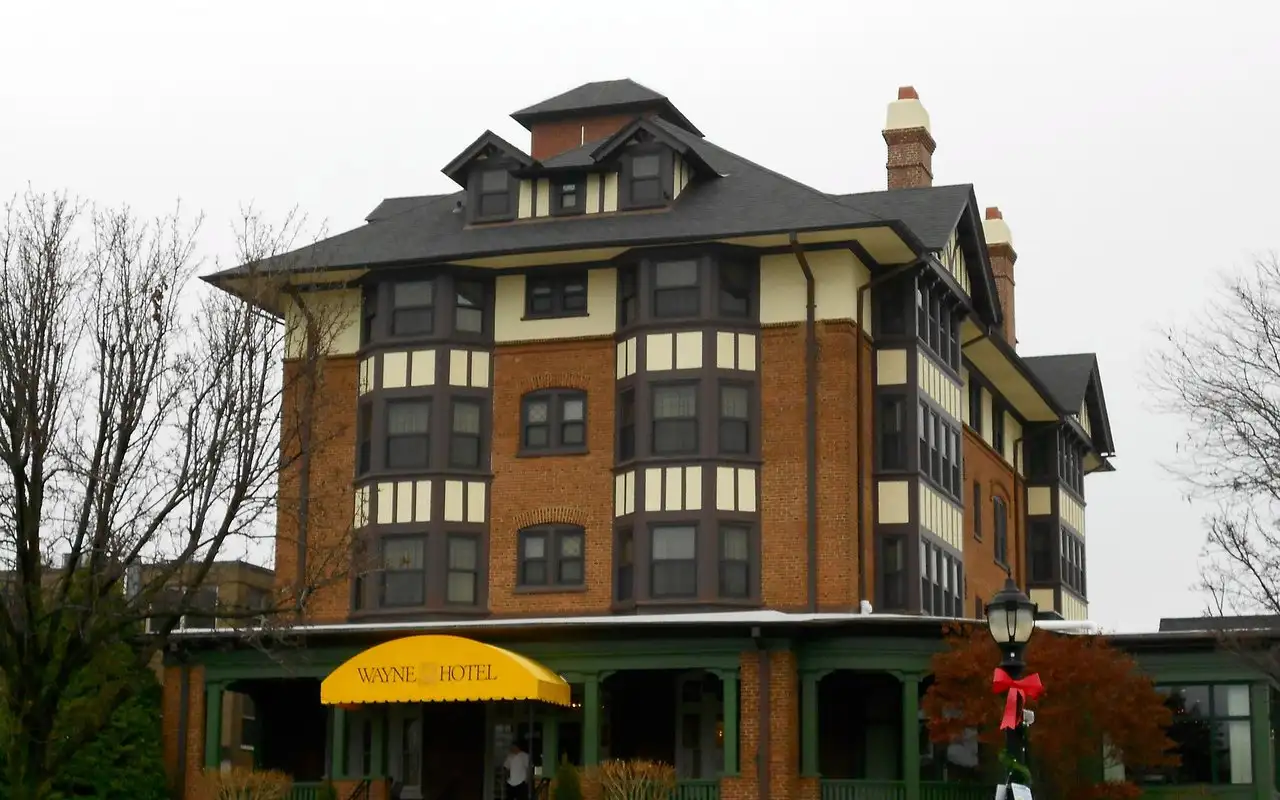
Built by design, heated by boilers
Wayne was sold in 1887 as a town built by design, with water, light and drainage in place before the houses went up. Heating was designed in too: the Shingle Style and Colonial Revival houses of North and South Wayne were built around a boiler in the basement and radiators on every floor. A boiler that has been cared for can run for decades, so when yours starts banging, leaking or leaving a floor cold, the first question is which part failed. Circulators, zone valves, expansion tanks and igniters account for most of it. You get the price before any work starts, and if the boiler really is worn out, the replacement price next to the repair so you can decide.
Tall houses and the top floor
Houses in these styles often run to three stories, with rooms tucked under the roof. Heat rises and water in a radiator loop has to travel farthest to reach the top, so the third floor is usually the first to complain in winter and the hardest to cool in summer. An air handler in the attic is a common way to cool those rooms. It works well, as long as its drain is kept clear, since it sits right above finished ceilings.
Cooling a house built before air conditioning
Adding air conditioning to a house from the 1890s usually means avoiding new full-size ductwork through finished plaster. The top floors are the easier part, since an air handler in the attic can reach them through short duct runs. The floors below need a route for ducts, through closets or floor cavities, and the easiest time to find one is during a renovation, when walls and ceilings are already open. Before anyone cuts into plaster, it pays to know what is already inside the wall and how the patch will be matched. If the house already has a high-velocity system, we can retrofit it with new equipment. Whichever way you go, the plan depends on how you use the house and where an outdoor unit can sit, which on a lot in South Wayne or near the downtown shops can be the harder question.
Three townships, one ZIP
Wayne is centered in Radnor Township, with pieces in Tredyffrin and Upper Merion. That makes no difference to a repair. It matters when a system is replaced, because each township runs its own permits and inspections and has its own rules for contractors. Radnor wants the contractor licensed in the township and present for the inspection, and Upper Merion asks for the contractor’s Pennsylvania Home Improvement Contractor number on the application.