
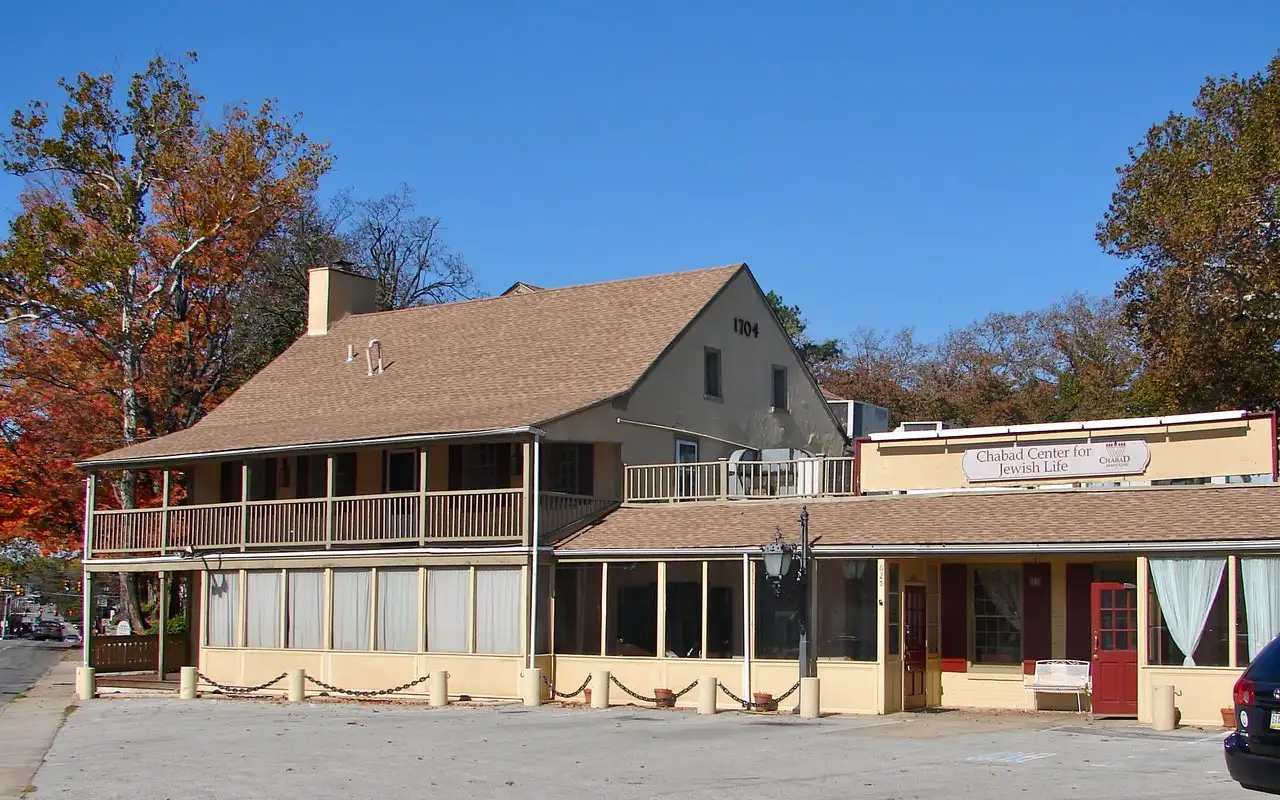
A planned suburb, built big
Merion Station didn’t grow by accident. The civic association that formed in 1913 planned it as a model suburb, and the houses reflect it: generous rooms, high ceilings and three or more floors. The Barnes Foundation’s original arboretum is here, and so is the Merion Friends Meeting House, which dates to 1695. Our shop sits just past the edge of town on Montgomery Avenue, so a service call here is a short drive.
Heating a large older house
Most of these houses were built to be heated by a boiler and radiators, and a lot of them still are. One boiler serving a big house works hard, and when it stops, every floor goes cold together. The good news is that the failure is usually a single part: a circulator pump, a zone valve, an igniter or a pressure control. We find it, show you what we found, and give you the price before we start.
When a boiler really is near the end, replacing it with a properly sized, high-efficiency model can cut fuel use noticeably in a house this size. We’ll show you that math next to the cost of repair.
Cooling three floors evenly
Cooling is the harder problem in Merion Station. Heat rises, so the top floor of a tall house can run several degrees warmer than the first. One oversized central system usually makes it worse, cooling the ground floor too much while the bedrooms upstairs stay warm. Splitting the house into zones, or giving the top floor its own system, tends to work better.
One boiler, worth looking after
When a single boiler heats a house this size, it’s doing a lot of work, and it’s the one piece of equipment you can’t do without in January. A fall tune-up is the cheapest way to protect it: cleaning, checking the controls and safety devices, and catching a worn part before it fails on the coldest night of the year.
Merion station, on SEPTA’s Paoli/Thorndale Line, sits close to the middle of all of this, and the Merion Tribute House and the Barnes Arboretum are a short walk away.